.avif)
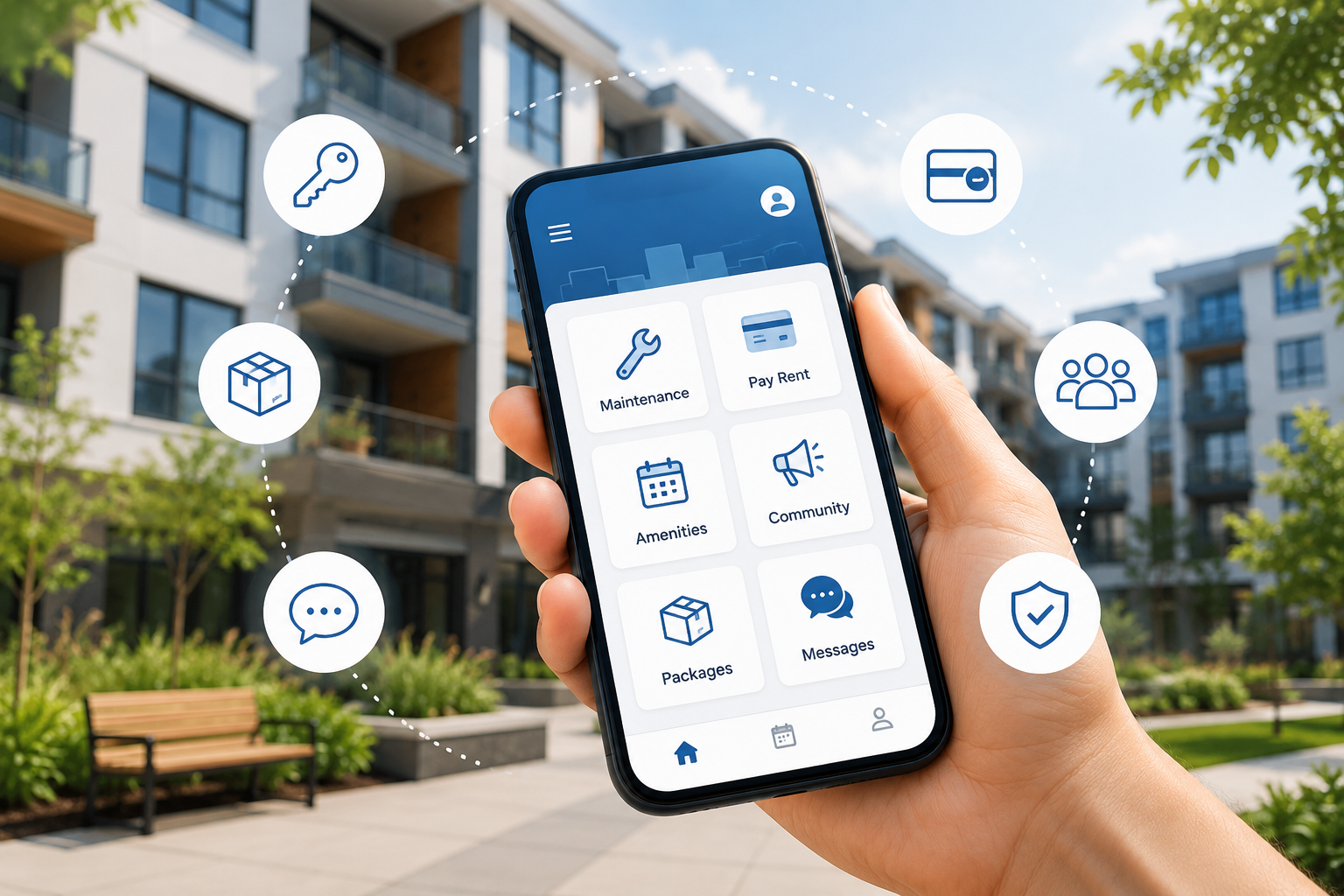
Multifamily Resident Response Time Software: How Apartment Teams Improve Service Speed
Resident response time software helps multifamily teams measure how quickly resident questions and requests are acknowledged, assigned, updated, and resolved. By making response delays visible, apartment communities can improve service consistency without relying on inbox checks, manual follow-up, or staff memory.
Multifamily resident response time software is technology that helps apartment communities track how quickly resident requests receive attention and move toward resolution. It can help teams centralize requests, establish ownership, identify overdue follow-up, monitor service timelines, communicate status updates, and compare response performance across different types of resident interactions.
When a resident asks a question, submits a service request, reports an amenity issue, or needs help accessing the building, the clock starts immediately from the resident's perspective.
The resident usually does not know which department owns the issue, how busy the team is, or which internal system contains the request. They simply know how long they have been waiting.
That makes resident response time one of the most visible parts of the apartment living experience.
For multifamily operators, however, response time can be surprisingly difficult to manage. Resident communication may arrive through email, phone calls, maintenance systems, front desk conversations, resident apps, amenity tools, package systems, and other channels. A team can be working hard while residents still experience slow or inconsistent service.
Multifamily resident response time software helps solve that problem by turning response speed into a visible operating workflow rather than an informal expectation.
Give Your Team One Place to Manage Resident Workflows
ElevateOS helps multifamily teams connect resident communication, requests, amenities, packages, services, engagement, and everyday community operations through one resident management experience.
See ElevateOS in ActionWhat Is Multifamily Resident Response Time Software?
Multifamily resident response time software is a system that helps apartment teams monitor and improve the amount of time between a resident initiating a request and the property taking meaningful action.
Depending on the workflow, the software may help track:
- When a resident request was submitted
- When the request was first acknowledged
- Which employee or department owns the next action
- How long a request remains open
- Whether an expected update is overdue
- When the resident was last contacted
- How long final resolution required
- Whether similar requests repeatedly experience delays
The objective is not simply to close requests faster. A strong response-time strategy helps residents understand that their request has been received, what will happen next, and when they should expect another update.
That requires connecting operational workflows with the resident-facing experience. A modern resident management software platform can make those interactions easier to coordinate.
Response Time vs. Resolution Time: What Is the Difference?
Response time and resolution time are related, but they measure different parts of resident service.
| Metric | What It Measures | Example |
|---|---|---|
| Response time | How quickly the property acknowledges or begins acting on a request | Resident submits an amenity question and receives a meaningful response |
| Resolution time | How long the complete issue takes to resolve | The amenity access problem is corrected and confirmed with the resident |
| Update time | How long residents wait between meaningful status updates | A repair requires a part, so the resident receives an update before completion |
A request can have a fast first response but a long resolution time. That does not necessarily create a poor resident experience if the resident receives useful updates throughout the process.
Conversely, a problem might ultimately be fixed quickly but still feel frustrating when the resident spends hours wondering whether anyone received the request.
Why Resident Response Times Become Difficult to Manage
1. Requests Arrive Through Too Many Channels
A resident might report an issue by email and then visit the front desk when they do not receive an immediate reply. Another employee may receive a phone call about the same problem. Maintenance may have a separate record entirely.
The property can suddenly have several conversations about one request without anyone having a complete view of the resident's experience.
2. Ownership Is Unclear
Response delays frequently occur during handoffs.
The front desk assumes maintenance is responding. Maintenance assumes management already contacted the resident. A manager assumes the issue was resolved because the operational task disappeared from one queue.
Every request needs clear ownership for the next resident-facing action.
3. Follow-Up Depends on Memory
Statements such as "I'll check on that later today" create an invisible obligation.
If that obligation exists only in an employee's memory or personal inbox, it can disappear as new resident requests arrive.
4. Closed Does Not Always Mean Resolved
An internal task can be technically complete while the resident still believes the issue is open.
For example, maintenance may finish a repair, but the resident may never receive confirmation. The operational workflow has ended while the resident communication workflow has not.
5. Managers Cannot Easily See Aging Requests
When requests are spread across multiple tools, managers often discover delayed responses only after a resident follows up again.
Response-time management changes the question from "Did anyone complain?" to "Which resident interactions currently need attention?"
Create a More Connected Resident Experience
A connected resident experience platform helps multifamily operators bring more resident interactions into one consistent digital journey instead of forcing residents and staff to navigate disconnected systems.
Explore the Resident Experience PlatformWhat Resident Response Times Should Multifamily Teams Track?
There is no single response-time metric that explains the entire resident experience. Apartment teams should consider several stages of the request lifecycle.
First Response Time
First response time measures how long residents wait before receiving the first meaningful acknowledgment of their request.
An automated receipt can reassure residents that a message was delivered, but teams should distinguish between an automated confirmation and an actual service response when evaluating performance.
Time to Assignment
This measures how quickly a request reaches the team member responsible for taking action.
Long assignment times can indicate routing problems rather than staffing problems.
Time Between Updates
Some requests cannot be solved immediately. Parts need to arrive. Vendors need to be scheduled. Managers need additional information.
In these situations, communication frequency becomes important. Tracking the time between resident updates can reveal requests that have quietly gone stale.
Total Resolution Time
Total resolution time measures the complete duration from resident request to confirmed completion.
Repeat Contact Rate
Teams should also watch how often residents must contact the property again about the same issue.
A high level of repeat contact can indicate that residents are not receiving sufficient updates even if the underlying operational work is progressing.
Which Apartment Workflows Benefit Most From Response-Time Tracking?
Maintenance Requests
Maintenance is one of the clearest applications. Residents should know their request was received, whether additional information is required, and when the status changes.
Move-In Questions
New residents frequently have questions about building access, parking, elevators, packages, amenities, documents, and community procedures. Slow responses during move-in can create friction at the very beginning of the resident relationship.
Amenity Requests
Amenities often produce time-sensitive questions involving reservations, availability, access, policies, cancellations, and shared-space issues. Connecting these workflows through amenity management software can make information easier for residents and teams to manage.
Access and Guest Questions
Residents who cannot access a door, activate a mobile credential, or coordinate guest entry usually expect quick assistance because the issue affects something they are trying to do immediately.
Package Questions
Questions about deliveries can generate repeated front desk interactions when residents do not have clear information about package arrival, storage, or pickup procedures.
Concierge and Resident Services
Properties offering hospitality-style services may need to coordinate requests across internal staff and outside service providers. Apartment concierge software can help bring those service interactions into a more structured resident experience.
How to Improve Resident Response Times Without Adding Staff
Faster resident service does not always require more employees. In many communities, the first opportunity is reducing unnecessary operational friction.
1. Centralize Resident Requests
Create as few entry points as practical and make the preferred request channel easy for residents to understand.
A well-adopted resident app can give residents a consistent destination for community information, requests, services, amenities, communication, and other supported workflows.
2. Route Requests Automatically
Residents should not need to know your organizational chart to receive help.
Requests should move toward the appropriate team based on their type rather than waiting for someone to manually forward every message.
3. Establish Clear Ownership
Every active resident issue should have someone responsible for its next step.
Ownership does not necessarily mean one employee personally completes every task. It means someone is accountable for ensuring the workflow continues.
4. Automate Routine Confirmations
Automation can handle predictable communication such as:
- Request received confirmations
- Appointment reminders
- Status notifications
- Amenity reminders
- Package updates
- Move-in instructions
- Event reminders
This allows onsite teams to spend more time on resident interactions that genuinely require human judgment.
5. Create Visibility Into Aging Requests
Teams should be able to identify open resident items before the resident has to ask again.
Useful views can include requests awaiting assignment, requests without recent updates, repeat requests, long-running issues, and other workflows requiring attention.
6. Give Residents Better Self-Service
The fastest response is sometimes no staff response at all because the resident can immediately find the information or complete the task independently.
Common self-service opportunities include amenity details, community documents, event information, reservation management, service information, move-in resources, and frequently requested property information.
Reduce the Friction Behind Slow Resident Service
ElevateOS connects resident-facing workflows so onsite teams can spend less time moving between disconnected systems and more time delivering a responsive community experience.
Explore the All-in-One Resident AppHow Response-Time Software Supports Resident Retention
Lease renewal decisions are influenced by the resident's accumulated experience throughout the lease, not merely the communication they receive immediately before renewal.
Small service interactions contribute to that experience:
- How easy it was to get help
- Whether staff responded when promised
- Whether residents needed to repeat requests
- Whether the community kept residents informed
- Whether everyday tasks felt convenient
A resident retention app strategy can support retention by improving the daily interactions that build the resident's perception of the community over time.
Response-time visibility also gives teams an opportunity to act earlier. Rather than discovering service dissatisfaction at renewal, operators can identify where requests are slowing down and improve those workflows while the resident relationship is still active.
Resident Response Time Software vs. Property Management Software
Traditional property management software and resident response-time functionality can overlap, but they solve different operational problems.
| Traditional PMS Focus | Resident Response-Time Focus |
|---|---|
| Leasing and property records | Resident requests and interactions |
| Accounting workflows | Response and follow-up workflows |
| Lease administration | Resident communication visibility |
| Property-level records | Resident service experience |
The two systems do not necessarily need to compete. A connected resident experience layer can complement existing property management software by helping teams manage the interactions residents experience every day.
What Should Multifamily Operators Look for in Resident Response Time Software?
When comparing solutions, evaluate how well the software supports the complete resident workflow rather than looking only for a response-time dashboard.
Important capabilities can include:
- Centralized resident communication so teams can reduce scattered conversations.
- Clear request ownership so the next action is visible.
- Automated notifications for predictable resident updates.
- Request history that helps employees understand previous interactions.
- Mobile resident access for convenient communication and self-service.
- Operational visibility into open, aging, and repeat requests.
- Portfolio scalability for operators managing multiple communities.
- Integration capability so resident workflows can connect with the existing property technology environment.
Operators evaluating broader technology can also review what resident management software is and how it differs from traditional property management systems.
Frequently Asked Questions About Multifamily Resident Response Time Software
What is multifamily resident response time software?
Multifamily resident response time software helps apartment teams monitor how quickly resident questions, service requests, maintenance concerns, and other interactions receive attention. It can help centralize requests, assign ownership, track open items, organize follow-up, and identify delays.
Why is resident response time important in property management?
Resident response time matters because it directly affects how responsive and organized a property feels. Even when an issue cannot be resolved immediately, acknowledging the request and providing useful updates can create a clearer resident experience.
What is the difference between response time and resolution time?
Response time measures how quickly a property initially acknowledges or acts on a resident request. Resolution time measures how long it takes to completely resolve the issue. Properties should monitor both because a resident may receive a fast response even when the final solution requires more time.
How can apartment communities improve resident response times?
Apartment communities can improve response times by centralizing requests, creating clear ownership, automatically routing common request types, automating routine notifications, improving resident self-service, monitoring aging requests, and reducing the number of disconnected systems staff must manage.
Can resident response time software reduce office interruptions?
It can help. Clear confirmations, automated updates, mobile self-service, and better request visibility can reduce the need for residents to call, email, or visit the office simply to ask whether a request was received or what its current status is.
Does faster response time improve resident retention?
Response time is one component of the broader resident experience. Consistent communication, convenient service, clear follow-up, and responsive property operations can help strengthen resident satisfaction throughout the lease lifecycle and support retention efforts.
Can resident response time be tracked across multiple properties?
Portfolio operators can use centralized resident management workflows to create more consistent processes across communities and identify where service delays or repeat resident requests require additional attention.
Is resident response time software the same as maintenance software?
No. Maintenance software generally focuses on repair and work-order workflows. Resident response-time management is broader and can include maintenance questions, amenity requests, access issues, packages, move-in needs, resident services, concierge requests, and general communication.
How ElevateOS Supports Faster, More Connected Resident Service
Resident response time becomes harder to manage when the resident journey is divided across separate apps, communication channels, operational tools, and manual processes.
ElevateOS helps multifamily teams connect resident communication and resident-facing operations through one platform. Communities can bring together supported workflows spanning resident requests, maintenance, amenities, packages, access, onboarding, services, events, documents, engagement, and other everyday interactions.
The result is a more connected operating environment in which staff can spend less time navigating fragmented workflows and residents can have a more consistent place to interact with their community.
Bring Resident Communication, Service, and Daily Workflows Into One Connected Platform
See how ElevateOS can help your multifamily team reduce operational friction and create a more responsive resident experience.
Request a Free DemoFinal Takeaway
Multifamily resident response time software gives apartment operators a clearer way to understand one of the most important questions in resident service: How long are residents waiting for meaningful help?
The answer is not found only in maintenance completion times. Teams need visibility into initial responses, assignments, resident updates, repeat contacts, and final resolution.
When those workflows are scattered, service delays can remain invisible until residents contact the property again. When they are connected, apartment teams can identify bottlenecks earlier, automate routine communication, create clearer accountability, and provide residents with a more predictable experience.
For multifamily operators focused on both operational efficiency and resident satisfaction, response time should be treated as more than a customer-service metric. It is a window into how effectively the entire resident operating experience is working.