
Leasing and retention · February 28, 2025 · 14 min read
App-Based Resident Rewards: Creating Loyalty Programs That Drive Lease Renewals
Design app-based loyalty programs that boost tenant satisfaction and encourage lease renewals.
Konrad Koczwara, Founder and CEO · ElevateOS

Article at a Glance:
App-based resident rewards programs directly impact bottom-line profitability by increasing lease renewal rates and reducing costly resident turnover in multifamily properties.
Successful loyalty programs combine points-based systems, tiered benefits based on residency length, surprise elements, and local partnerships to create meaningful digital engagement throughout the resident lifecycle.
Psychological investment develops as residents experience "peak-end" positive interactions through the app, making t eir emotional connection to the community stronger and renewal decisions more favorable.
Implementation requires strategic planning including technology assessment, system integration, staff adoption strategies, and change management approaches to ensure maximum effectiveness.
Measuring ROI involves analyzing the correlation between digital engagement patterns and renewal rates, allowing for data-driven program optimization.
For multifamily property managers, resident retention technology represents a strategic investment that transforms traditional property management from transaction-based to relationship-centered, potentially delivering significant property valuation improvements through stable occupancy.
Property management executives face a clear challenge, resident turnover significantly impacts profitability. Each departure represents thousands in turnover costs plus additional marketing expenses to attract someone new. Yet many communities still rely on outdated engagement methods in an era where residents increasingly expect digital convenience and personalized experiences.
Modern property management requires shifting from reactive to proactive resident engagement. App-based resident rewards programs are transforming the multifamily landscape by serving as powerful business tools that directly impact bottom lines through increased renewal rates and stronger resident relationships.
As the industry evolves from transaction-based to relationship-centered approaches, technology serves as the essential bridge. This guide examines how implementing resident app loyalty programs systematically increases lease renewals while delivering measurable ROI across your property portfolio.
The Business Case for App-Based Resident Rewards Programs
When portfolio managers report to asset owners, renewal rates inevitably dominate the conversation. Research suggests resident acquisition typically costs significantly more than retention. For a 250-unit community with $1,500 average rent, improvements in renewal rates can potentially represent substantial savings in turnover costs annually.
Digital engagement fundamentally changes how residents interact with their living environment. Traditional property management relied on sporadic touchpoints, maintenance requests, renewal notices, and occasional community events. The resident app transforms this dynamic by creating continuous, meaningful interactions throughout the lease term.
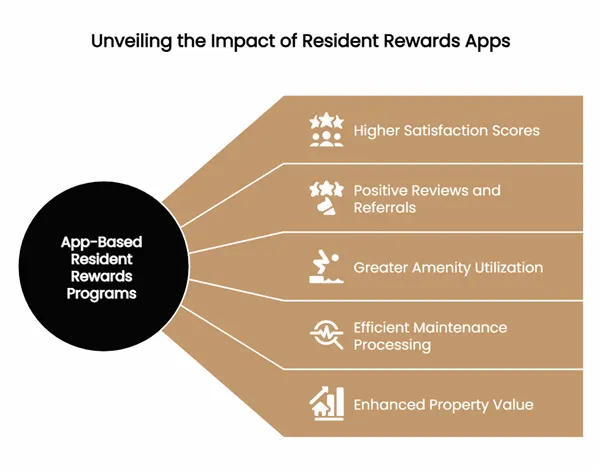
The business implications extend beyond saved turnover costs. Communities with engaged residents consistently report:
Higher overall satisfaction scores
Increased likelihood of positive reviews and referrals
Greater utilization of property amenities
More efficient maintenance request processing
Enhanced perception of property value relative to rent
From a valuation perspective, communities demonstrating stable occupancy through strong renewal rates may command premium valuations during investment transactions. Depending on property size and market conditions, cap rate improvements can translate to significant added property value, making resident retention technology a strategic investment rather than an operational expense.
Understanding Resident Engagement Psychology in the Digital Age
Renewal decisions happen long before the lease end date. The psychology behind these decisions reveals why digital engagement proves so effective. Residents make renewal choices based on emotional connections to their living experience, not just rational factors like rent increases or amenities.
Digital touchpoints create what behavioral economists refer to as "peak-end experiences", memorable moments that significantly influence overall satisfaction. When residents receive unexpected rewards, exclusive access, or recognition through an app, these positive experiences become anchored to their perception of the community.
Different demographic groups may show varying preferences in their engagement patterns:
Younger adults often expect smooth digital experiences and value personalization over generic rewards
Middle-aged professionals frequently prioritize convenience and time-saving features
Older adults have diverse technology preferences - some adopt new platforms quickly while others may benefit from additional onboarding support
The most successful resident app creates a cohesive experience spanning the entire resident lifecycle. Strategic digital touchpoints might include:
Move-in welcome rewards (e.g., a local coffeeshop gift card delivered digitally on move-in day)
Maintenance request acknowledgments (automated thank-you messages with loyalty points for using the app)
Lease milestone celebrations (special access to amenities at milestone anniversaries)
Birthday or anniversary recognitions(personalized message with bonus points)
Seasonal community events (early access registration for loyal residents)
Renewal incentives (rewards based on engagement level throughout lease)
Each interaction builds psychological investment in the community, making the decision to leave increasingly difficult as the resident accumulates positive experiences and rewards.
Key Components of Successful Resident App Loyalty Programs
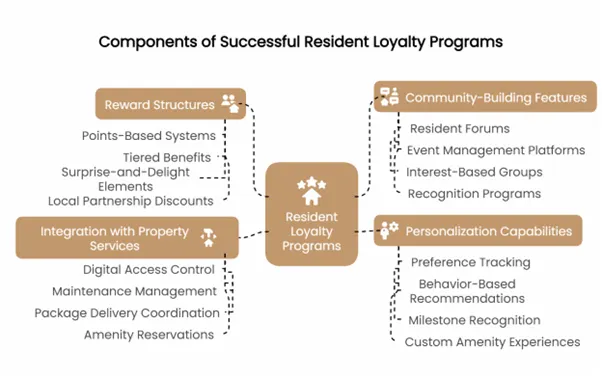
Effective resident loyalty programs combine several essential elements that work together to drive engagement and renewals. The reward structure forms the foundation but must extend beyond simple transactional benefits.
Reward Structures That Drive Behavior
Successful reward systems blend immediate satisfaction with long-term benefits:
Points-based systems tied to desired actions
Points for on-time rent payments
Points for attending community events
Points for submitting maintenance requests through the app
Points for completing quarterly satisfaction surveys
Points for resident referrals that result in tours
Surprise-and-delight elements that create unexpected positive experiences
Random rewards for daily app engagement
Special recognition for community contributions
Spontaneous upgrades during amenity reservations
Local partnership discounts that enhance lifestyle value
Negotiated discounts with nearby restaurants
Preferred pricing with local service providers (housekeeping, dog walking)
Special access to local events and venues
Community-Building Features
Technological tools that transform individual transactions into communal experiences:
1. Resident forums for connection and information sharing
Neighborhood recommendations section
Interest-based discussion groups
Classified marketplace for resident-to-resident exchanges
2. Event management platforms that drive participation
One-click RSVPs with calendar integration
Community calendars with personalized recommendations
Post-event photo sharing and discussion threads
3. Interest-based groups that foster relationships
Fitness challenges with leaderboards
Book clubs with in-app discussion features
Hobby groups with scheduling tools for meetups
4. Recognition programs that celebrate resident contributions
"Pet of the Month" spotlights
Community volunteer recognition
User-generated content highlights
Personalization Capabilities
Personalization dramatically increases perceived value. Today's residents expect experiences tailored to their preferences and behaviors. Effective personalization includes:
• Preference tracking for communications and rewards
Communication channel preferences (email, text, push notification)
Interest categories selection during onboarding (fitness, social events, local dining)
Reward type preferences (experiences vs. discounts vs. amenity reservations)
• Behavior-based recommendations
Suggesting events based on past attendance patterns
Recommending amenities based on usage history
Offering rewards aligned with demonstrated interests
• Milestone recognition
Automated lease anniversary congratulations with special offers
Birthday recognition with personalized rewards
Move-in anniversary celebrations highlighting community accomplishments
• Custom amenity experiences
Personalized settings for smart home features
Preferred scheduling for frequently used amenities
Custom workout programming in fitness centers based on usage
Integration with Property Services
Smooth experiences that enhance perceived value:
• Digital access control for amenity spaces
Smartphone-based access to secured amenities
Guest pass generation for visitors
Usage tracking that informs future amenity investments
• Maintenance management
Real-time request status updates
Scheduled maintenance reminders
Post-service satisfaction tracking
• Package delivery coordination
Instant delivery notifications
Secure pickup authorization
Delivery timing preferences
• Amenity reservations
Real-time availability checking
One-click booking of spaces
Calendar integration for personal scheduling
When these components work together, residents experience their apartment not just as a place to live but as an integrated ecosystem that anticipates their needs and rewards their loyalty.
Implementation Strategies for Property Management Organizations
Technology Assessment and Selection
Choosing the right platform requires evaluating multiple factors. Key selection criteria include:
• Integration capabilities with existing property management software
Compatible APIs with your current property management system
Data synchronization capabilities with resident databases
Smooth integration with payment processing & access control systems
Connection points with existing maintenance management platforms
• Customization options to match brand standards
White-labeling capabilities with your branding
Custom feature sets aligned with your community's amenities
Flexible reward structures that match your resident demographics
Adaptable user interfaces that reflect your visual identity
• Scalability across multiple communities
Multi-property management from centralized dashboard
Consistent experience across different locations
Portfolio-wide data analytics and reporting
Standardized implementation processes
• User experience design
Intuitive navigation requiring minimal training
Clean, modern interface that appeals to residents
Accessibility features for all user abilities
Mobile-first design with responsive functionality
• Data security and compliance
Security compliance certification
Privacy controls aligned with regulations
Encrypted data storage and transmission
Regular security audits and testing
• Vendor support resources
Dedicated implementation manager
Staff training programs and materials
Ongoing technical support availability
Regular platform updates and enhancements
Integration Planning
Effective implementation requires mapping data connections between systems. Most communities already maintain resident information across multiple platforms, including:
Property management software
Rent payment processing
Maintenance management
Access control systems
Marketing automation
Implementation planning should address specific data flows:
Resident profile synchronization (ensuring consistent contact information)
Lease term and renewal tracking (accurate milestone recognition)
Payment history integration (rewarding on-time payments)
Maintenance request coordination (tracking and rewarding app-based submissions)
Amenity usage data collection (personalization based on preferences)
Each integration point requires specific technical mapping, privacy controls, and update frequency planning to maintain data integrity while providing smooth resident experiences.
Staff Adoption Strategies
Staff adoption represents a frequently overlooked success factor. On-site teams need clear understanding of:
• How technology supports existing responsibilities
Demonstrating time saved through automated communications
Showing how digital engagement reduces in-person administrative tasks
Illustrating improved resident satisfaction through consistent digital touchpoints
Mapping specific app features to current management challenges
• Performance metrics tied to resident engagement
Establishing app adoption targets for the community
Tracking resident engagement rates by management team
Connecting digital participation to renewal statistics
Including engagement metrics in performance reviews
• Training resources and support
Initial hands-on system training sessions (3-4 hours minimum)
Role-specific workflow guides for leasing, management, and maintenance
Video tutorials for common tasks and troubleshooting
Regular refresher sessions as features evolve
• Time allocation for program management
Dedicated hours for content creation and event planning
Scheduled time for monitoring engagement metrics
Regular review sessions for reward fulfillment
Protected time for resident feedback collection and analysis
For multi-community portfolios, phased rollout approaches typically yield better results than company-wide launches. Consider:
• Pilot programs at high-performing communities
Select 2-3 communities with strong management teams
Implement full resident app features for 90-day evaluation
Document processes, challenges, and success factors
Create standardized playbook based on pilot experiences
• Champion identification at each location
Select tech-savvy team members as internal experts
Provide advanced training and direct vendor access
Establish champion network across properties
Create incentives for successful adoption leadership
• Structured feedback loops
Weekly team check-ins during initial implementation
Bi-weekly cross-property implementation calls
Monthly program performance reviews
Quarterly strategy adjustments based on results
• Standardized onboarding procedures
Consistent training materials across all locations
Clearly documented implementation timelines
Standardized success metrics and reporting
Replicable marketing materials for resident communication
Change management strategies should address natural resistance from both staff and residents. Successful approaches include:
• Clear communication about benefits and expectations
Specific examples of how the app makes work easier
Transparent timelines for implementation phases
Realistic adoption rate projections
Honest discussion of learning curve challenges
• Early involvement of on-site teams in program design
Focus groups with property management staff
Feature prioritization input from maintenance teams
Testing sessions with actual community team members
Feedback incorporation before full deployment
• Recognition of adoption milestones
Celebration of team members driving resident adoption
Acknowledgment of communities reaching engagement targets
Rewards for innovative use cases and success stories
Company-wide sharing of implementation achievements
• Continuous reinforcement of connection to strategic goals
Regular updates connecting engagement to renewal rates
Sharing of resident feedback and success stories
Comparison of performance metrics before and after implementation
ROI calculations shared with front-line teams
Measuring Success and Optimizing Performance
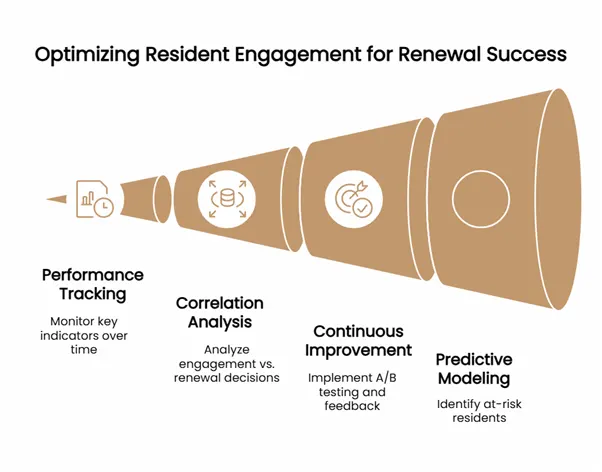
Establishing baseline metrics before implementation provides essential context for measuring impact. Key performance indicators typically include:
• Renewal rate percentage
Track by building, floor plan, and resident demographic
Compare pre- and post-implementation periods
Analyze variations between highly engaged and minimally engaged residents
Calculate financial impact of renewal improvements
• Resident satisfaction scores
Implement consistent measurement methodology (NPS or satisfaction scale)
Track scores before, during, and after implementation
Segment satisfaction by engagement level
Correlate specific app interactions with satisfaction changes
• App adoption and engagement rates
Initial download percentage among resident population
Daily/weekly/monthly active user percentages
Feature utilization rates across app functions
Engagement pattern analysis by demographic segments
• Participation in loyalty program activities
Points earned per resident by activity type
Reward redemption rates and preferences
Special event participation percentages
Community feature engagement statistics
• Maintenance request patterns
Submission channel preferences (app vs. phone vs. email)
Resolution time improvements with digital tracking
Satisfaction scores following digital service experience
Correlation between maintenance experience and renewal likelihood
Correlation Analysis and Continuous Improvement
Correlation analysis between digital engagement and renewal decisions reveals the program's effectiveness. Property management organizations can track:
• Engagement profiles of renewing vs. non-renewing residents
Activity patterns in the 90 days before renewal decision
Total points accumulated throughout lease term
Feature usage frequency comparison between groups
Communication responsiveness differences
• Reward redemption patterns relative to lease stage
Timing of redemptions throughout lease cycle
Value of rewards redeemed near renewal periods
Correlation between redemption activity and renewal likelihood
Impact of special renewal-focused rewards
• Feature usage differences between demographic segments
Amenity booking preferences by demographic
Communication channel effectiveness by demographic
Reward preference variations across resident profiles
Content engagement patterns for different segments
• Engagement trends preceding renewal decisions
App usage frequency changes before renewal
Community event participation in final lease quarter
Maintenance request patterns near lease end
Social feature engagement during decision periods
Continuous improvement methodologies should be built into program management. Effective approaches include:
• A/B testing of reward structures
Split testing different point values for key activities
Comparing response rates to various reward options
Testing different notification strategies for events
Evaluating various loyalty tier structures
• Regular resident feedback collection
In-app surveys with point incentives for completion
Focus groups with highly engaged residents
Exit interviews with non-renewing residents
Feature request collection and prioritization
• Quarterly program performance reviews
Cross-functional analysis involving property management, marketing, and operations
Comprehensive metrics dashboard review
Strategic alignment assessment with business objectives
Resource allocation adjustments based on performance
• Competitive benchmarking
Mystery shopping of competitor communities
Industry report analysis for best practices
Technology vendor roadmap evaluations
Peer property management group knowledge sharing
Data analysis approaches must connect resident behavior to business outcomes. Most valuable analyses include:
• Cohort analysis by move-in date
Tracking renewal rates across different move-in periods
Comparing engagement patterns between cohorts
Identifying time-based factors affecting retention
Adjusting onboarding strategies based on cohort performance
• Engagement scoring models
Creating weighted scores based on activity importance
Establishing engagement thresholds that predict renewals
Developing automatic alerts for engagement decreases
Building predictive models for at-risk residents
• Feature utilization heat maps
Visual representation of popular vs. underused features
Time-based analysis of feature popularity
Identification of features driving highest engagement
Resource allocation guidance for feature development
• ROI calculation by program component
Cost-benefit analysis of specific reward types
Value assessment of different engagement strategies
Financial impact calculation for feature investments
Optimization recommendations based on return metrics
The most sophisticated operators develop predictive models that identify at-risk residents based on engagement patterns, allowing for proactive intervention before renewal decisions.
Transforming Resident Relationships Through Technology
Property management has entered a new era where digital engagement directly impacts business performance. App-based resident rewards programs represent not just a technological innovation but a fundamental shift in how communities build lasting relationships with residents.
Successful implementation requires strategic planning, cross-departmental collaboration, and commitment to continuous improvement. The potential financial returns, reduced turnover costs, higher NOI, and enhanced property valuations, make this investment increasingly valuable for competitive communities.
As resident expectations continue to evolve, digital engagement will move from competitive advantage to market requirement. Communities that establish strong loyalty programs today position themselves for sustained performance advantage in increasingly competitive multifamily markets.
Frequently Asked Questions (FAQs)
Q: What level of technical integration is required between a resident app and our existing property management software?
A: Most enterprise-grade resident apps offer integration options ranging from basic API connections to comprehensive data synchronization. The level of integration depends on your existing tech stack complexity and desired functionality. For most communities, the minimum integration points include resident profile data, lease information, and payment history. Full integration may require IT resources during implementation but typically reduces operational overhead long-term by eliminating duplicate data entry and reconciliation tasks.
Q: How do we measure the ROI of a resident rewards program against our current renewal rates?
A: Measuring ROI requires establishing clear baseline metrics before implementation and tracking performance against control groups when possible. Approaches include cohort analysis comparing renewal rates before and after implementation while accounting for market variables. Financial analysis should consider both direct savings (reduced turnover costs) and indirect benefits (increased referrals, reduced marketing expenses). Results may begin to appear within 6-9 months, with fuller performance indicators typically visible after the first complete renewal cycle.
Q: What are the staffing implications for implementing and maintaining an app-based rewards program?
A: Implementation typically requires cross-departmental coordination between property management, marketing, and operations teams. Ongoing maintenance demands vary based on program complexity, but most communities designate a resident experience coordinator who allocates several hours weekly to program management. Training requirements include initial system orientation for all staff, plus specialized training for administrators. The most successful implementations redistribute existing responsibilities rather than simply adding new tasks to current workloads.
Q: How do we ensure high adoption rates among residents across different demographics?
A: Multi-channel communication strategies achieve the highest adoption rates. This includes in-person introduction during lease signing, move-in materials, email campaigns, property signage, and targeted incentives for initial registration. Consider varied approaches for different resident groups: guided setup sessions for those less comfortable with technology, peer ambassadors for tech-savvy residents, and family-oriented features for households with children. Accessibility considerations should address language preferences, device limitations, and varying technical proficiency levels.
Q: What are the data security and privacy considerations we need to address with a resident app?
A: Resident apps process sensitive personal information, requiring strong data governance. Compliance considerations include adherence to applicable privacy regulations and industry standards for financial data if processing payments. Best practices include transparent data collection policies, resident consent mechanisms for all data usage, and regular security assessments. Establish clear protocols for data retention, breach notification procedures, and vendor access limitations.
Frequently Unasked Questions (FUQs)
Q: How might implementing a resident app affect the dynamics between on-site staff and residents?
A: The relationship between property management teams and residents undergoes significant transformation with digital engagement platforms. While some may wonder if technology will create distance, many communities experience more meaningful interactions focused on relationship-building rather than transactional issues. On-site teams may initially have concerns about managing another system, but often embrace the technology once they experience reduced administrative burden. The key to managing this transition lies in positioning the app as enhancing rather than replacing personal interactions, with clear communication about how digital tools support the team's resident relationship goals.
Q: What are the implications of collecting behavioral data on residents through an app platform?
A: The collection of resident behavioral data creates both opportunities and responsibilities. Beyond ethical considerations, property management organizations must consider evolving regulatory landscapes that impact data usage. Residents may initially express concern about privacy, requiring transparent communication about data collection purposes and benefits. Long-term governance requirements include establishing data retention policies, anonymization protocols for reporting, and regular privacy impact assessments. Forward-thinking organizations establish resident data ethics committees to guide these decisions.
Q: How do app-based loyalty programs impact resident expectations during lease renewal negotiations?
A: Loyalty programs can shift renewal dynamics in ways many property management teams don't anticipate. Residents engaged in rewards programs often develop expectations for renewal incentives, viewing their participation as an investment that deserves recognition. Negotiation strategies may need to account for program participation levels, with highly-engaged residents potentially expecting greater consideration. Successful communities establish clear renewal reward tiers aligned with resident engagement levels, effectively creating predictable renewal packages that reduce negotiation friction while recognizing loyalty.
Q: What operational costs might emerge after implementing a resident rewards program?
A: Beyond initial implementation costs, several ongoing operational expenses should be considered. Content creation demands consistent resources to maintain engagement, typically requiring several hours weekly for a single community. Reward fulfillment logistics create administrative needs, especially for physical rewards or local partnership management. Technical maintenance extends beyond vendor fees to include API management, system updates, and periodic security reviews. Many communities should account for staff time required for program management, particularly for data analysis and performance optimization activities.
Elevate Resident Loyalty, Boost Renewals & Property Value Today
At ElevateOS, we understand that resident retention isn't just about reducing turnover, it's about creating lasting emotional connections that drive long-term occupancy and community value. Our white-labeled resident app helps multifamily property managers to smoothly implement loyalty programs, streamline communication, and offer personalized services, all designed to enhance resident satisfaction and significantly improve renewal rates.
With over a decade of expertise in luxury property management technology and partnerships with hundreds of high-performing communities, we’ve seen firsthand how digital engagement transforms resident relationships from transactional to relational, driving measurable ROI.
Ready to turn resident engagement into bottom-line results?
👉 Request a personalized demo today and see how ElevateOS can help you:
Increase resident retention with customized rewards programs
Simplify communication and amenity management
Elevate your property's value with smooth, white-labeled technology
💬 Let’s keep the conversation going! Follow us for more industry insights and real-world strategies:
Facebook | LinkedIn | Instagram
Transform your resident experience. Strengthen your bottom line. Partner with ElevateOS.
Keep reading
More on Leasing and retention

· 11 min read
Resident Retention Software: How Multifamily Teams Keep More Residents Without Discounting Renewals
Learn how resident retention software helps multifamily teams track satisfaction, spot at-risk residents early, resolve issues, and increase lease renewals.

· 2 min read
Want More Lease Renewals? Consider These Critical Touchpoints in the Resident Relationship
Discover essential touchpoints in resident relationships that can boost lease renewals in Class A multifamily communities.

· 4 min read
How Resident Experience Impacts Lease Renewals
Every maintenance request, every communication, every payment interaction contributes to whether a resident stays or leaves.
Written by
Konrad Koczwara, Founder and CEO · ElevateOS
Related: All blog posts · Integration catalog · Revenue and revenue share · ElevateOS for owners
Book a demo
See your building run on one app.
Thirty minutes. Your PMS, your hardware, your branding on the screen. See what gets consolidated, what gets connected and what starts paying you back.