
Operations · February 13, 2025 · 7 min read
Maintenance Tools: Improve The Experience For Your Residents & Staff
Utilize effective maintenance tools to streamline service requests and enhance the living experience for residents while improving staff efficiency.
Konrad Koczwara, Founder and CEO · ElevateOS
Article at a Glance:
Modern property maintenance management platforms transform operations across portfolio sizes, offering digital request tracking, mobile capabilities, and automated workflows that streamline daily tasks for both staff and residents
Portfolio size significantly impacts maintenance needs - small properties (50-100 units) focus on basic tracking and vendor management, mid-sized portfolios (100-500 units) require enhanced coordination, while large properties (500+ units) need sophisticated systems for complex scheduling
Successful implementation requires careful attention to technology integration, comprehensive staff training, and resident onboarding, with specific consideration for varying technical comfort levels
Performance analytics engines provide crucial insights into operational efficiency, financial performance, and resident satisfaction, though data analysis capabilities vary by portfolio size
The transition from traditional maintenance management to digital solutions demands a strategic approach that balances technical requirements with practical usability while ensuring scalable architecture for future growth.
Property maintenance operations significantly impact the daily experiences of both residents and staff, playing a crucial role in community success. As residential communities grow and resident expectations evolve, traditional maintenance management methods and outdated multifamily management software often create operational challenges that affect staff productivity and resident satisfaction. While digital maintenance tools offer promising solutions, their effective implementation requires careful consideration of both technical capabilities and practical usability.
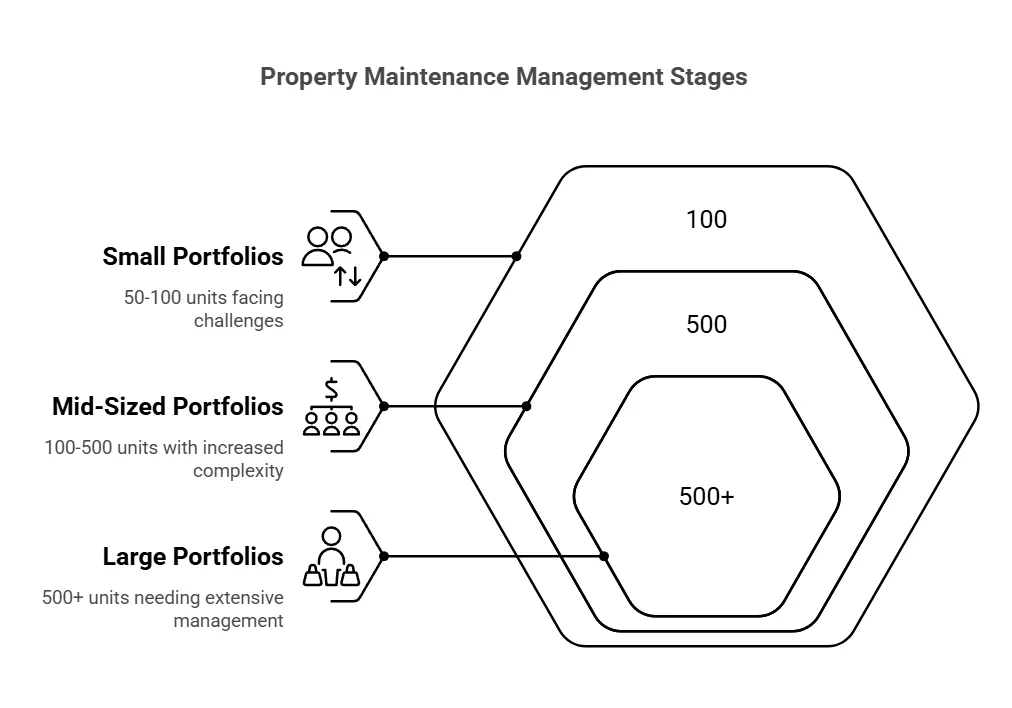
The scope of maintenance operations extends beyond basic repairs. For small properties managing 50-100 units, teams typically face challenges with tracking individual unit histories and coordinating with limited maintenance staff. Mid-sized portfolios (100-500 units) struggle with balanced resource allocation and maintaining consistent service levels. Large properties (500+ units) encounter complex scheduling demands and need sophisticated systems to manage high request volumes while maintaining quality standards.
Common challenges across portfolio sizes include:
Small portfolios (50-100 units): Vendor relationship management, limited staff resources, budget constraints
Mid-sized portfolios (100-500 units): Coordination between multiple maintenance teams, standardizing procedures, tracking costs across properties
Large portfolios (500+ units): Complex scheduling requirements, maintaining service consistency, managing extensive vendor networks
The Evolution of Property Maintenance Management
Traditional maintenance management approaches have presented several operational challenges. Paper-based systems and basic spreadsheets created practical difficulties that affected service delivery:
For small portfolios (50-100 units):
Maintenance teams spent valuable time searching through paper files for unit histories
Property managers struggled to track expenses effectively across individual units
Limited staff had to juggle multiple communication channels for resident requests
For mid-sized portfolios (100-500 units):
Coordinating multiple maintenance teams required extensive manual oversight
Tracking maintenance patterns across properties became increasingly complex
Budget forecasting remained challenging due to scattered data sources
For large portfolios (500+ units):
Managing vendor networks and service contracts required significant administrative time
Maintaining consistent service standards across properties proved difficult
Analyzing portfolio-wide maintenance trends was time-intensive and often inaccurate
Modern multifamily management software has improved these workflows through integrated systems that:
Provide digital request submission through user-friendly portals
Use routing systems that consider technician availability and skills
Enable status tracking with automated updates
Generate specific insights on maintenance patterns and costs
A practical example of modern maintenance workflow: When a resident reports an appliance issue, the system:
Creates a work order with the unit's maintenance history
Sends the resident an estimated response time
Assigns the task based on technician expertise and current workload
Updates all parties on progress
Stores completion details for future reference
Note: While these systems streamline operations, they require proper setup and staff training to function effectively.
Essential Components of Modern Maintenance Platforms
Effective maintenance management integrates several key components that serve both resident and staff needs while acknowledging practical implementation challenges.
Digital Service Request Management
The core functionality of maintenance platforms centers on service request handling. These systems include:
Priority Management
Structured evaluation of request urgency based on safety, lease terms, and service agreements
Built-in flexibility for staff to adjust priorities based on situational needs
Clear protocols for emergency situations requiring immediate response
Mobile Capabilities
Field-accessible work orders for maintenance staff
Photo documentation features for before/after comparison
Material and time tracking tools
Note: Mobile features may require reliable internet coverage across property grounds
Resident Communication Center
The communication system supports ongoing dialogue between residents and staff through:
Multi-Channel Communication
Text, email, and app-based notifications based on resident preferences
Complete conversation tracking linked to specific work orders
Options for residents to provide additional information or ask questions
Documentation Features
Secure storage for maintenance-related photos and documents
Search capabilities for past maintenance records
Privacy controls to protect resident information
Performance Analytics Engine
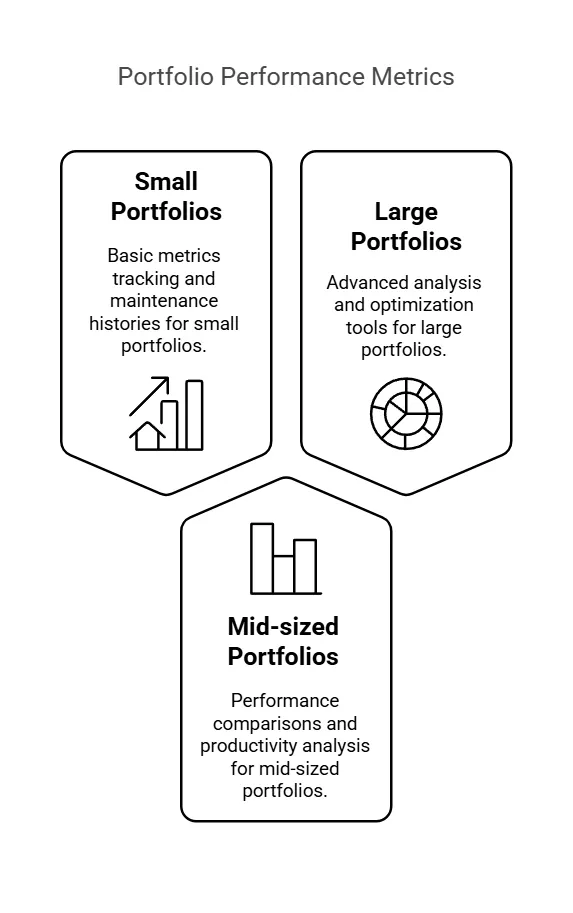
Advanced multifamily management software collects operational data that can inform decision-making, though the depth of analysis often varies by portfolio size:
For Small Portfolios (50-100 units):
Basic metrics tracking: response times, completion rates, cost per unit
Individual unit maintenance histories
Simple vendor performance comparisons
Note: Data volume may limit trend analysis reliability
For Mid-sized Portfolios (100-500 units):
Property-level performance comparisons
Staff productivity analysis
Preventive maintenance compliance tracking
Budget variance analysis by property
For Large Portfolios (500+ units):
Portfolio-wide trend analysis
Advanced resource optimization tools
Comprehensive vendor network analysis
Multiple property comparison capabilities
Key Metrics by Category:
Operational Efficiency
Average time from request to completion
First-visit resolution rates
Staff response times
Equipment downtime
Financial Performance
Cost per work order
Labor utilization rates
Vendor cost comparisons
Maintenance cost per unit
Resident Experience
Satisfaction ratings
Communication response times
Request resolution rates
Follow-up requirements
Note: The value of analytics depends heavily on consistent data entry and regular system use. Properties should establish clear protocols for data collection and reporting.
Strategic Implementation for Lasting Success
Successful platform adoption requires balancing technical requirements, staff needs, and resident expectations. This section addresses practical implementation challenges and solutions.
Technology Integration Planning
Before deploying new multifamily management software, properties must evaluate their existing systems and plan for integration:
System Requirements
Database compatibility assessment
Network infrastructure evaluation
Mobile device requirements
Security protocol review
Integration Considerations
1. Property Management Software Connections
May require custom API development
Data synchronization testing needed
Potential legacy system limitations
2. Accounting System Links
Transaction matching protocols
Expense tracking requirements
Budget system alignment
3. Building System Integration
Sensor data handling capabilities
Alert system coordination
Automation limitations
Note: Integration complexity increases with portfolio size and system variety. Properties should plan for ongoing maintenance and updates.
Staff Training and Adoption
A successful transition requires comprehensive staff preparation:
Training Program Components
Role-specific instruction for maintenance, management, and leasing teams
Hands-on practice with common scenarios
Documentation and reference materials
Ongoing support resources
Change Management Strategy
Clear communication about system benefits
Regular feedback collection
Performance support during transition
Recognition of staff adaptation efforts
Resident Experience Enhancement
Platform adoption requires careful attention to resident needs and engagement. The implementation should acknowledge varying levels of technical comfort among residents.
Resident Onboarding Approach
Initial Introduction
Brief platform overview during move-in process
Basic feature demonstration focused on common needs
Written guides and video tutorials
Support contact information Note: Not all residents will attend orientations; alternative training options should be available
Ongoing Support
Help desk availability for technical issues
Regular system updates and feature announcements
Seasonal maintenance reminders
FAQ resources and troubleshooting guides
Platform Usage Support
Accessibility Considerations
Multiple language options where needed
Support for residents with disabilities
Alternative request submission methods
Screen reader compatibility
Common Challenge Solutions
Password reset procedures
App installation support
Request submission guidance
Photo upload assistance
Communication Management
Notification Preferences
Opt-in settings for different alert types
Schedule preferences for non-emergency communications
Alternative contact methods
Privacy settings control
Status Updates
Clear progress indicators
Estimated completion times
Schedule change notifications
Follow-up surveys
Measuring Success Through Data
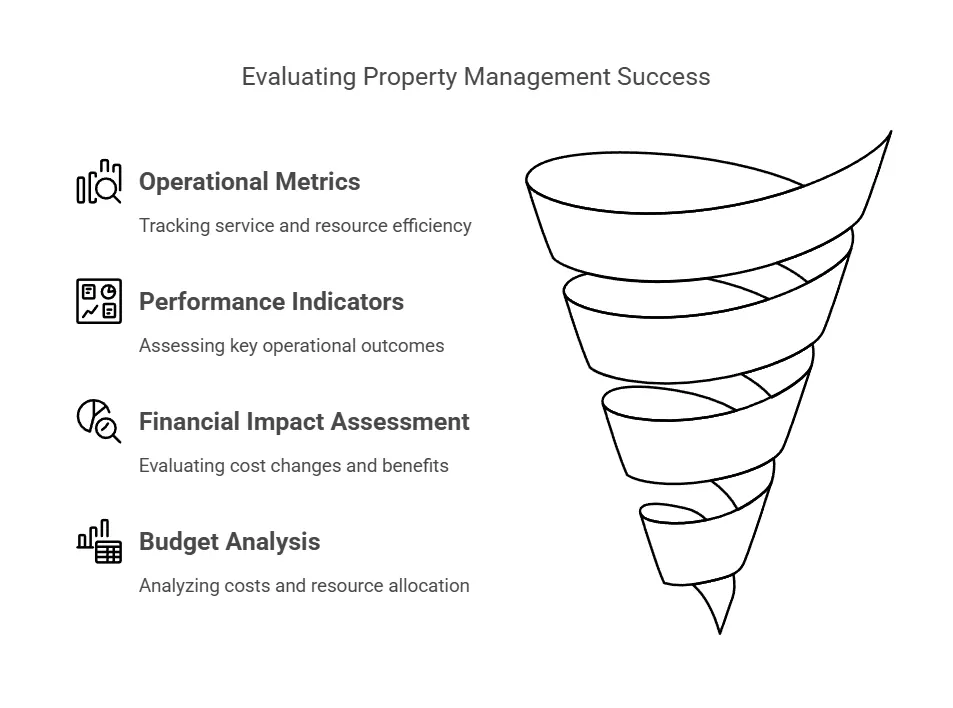
Properties should track specific metrics to evaluate platform effectiveness and identify improvement opportunities.
Operational Metrics & Core Performance Indicators
1. Service Request Completion Times
Average response time by request type
Time from submission to completion
First-visit resolution percentage
2. Resource Utilization Rates
Staff productivity levels
Equipment usage patterns
Vendor response times
3. Maintenance Completion Tracking
Preventive maintenance adherence
Emergency repair frequency
Recurring issue identification
Financial Impact Assessment & Cost Management Metrics
1. Direct Cost Changes
Labor expense trends
Material cost tracking
Vendor expense analysis
2. Indirect Financial Benefits
Reduced emergency repair costs
Extended equipment lifespan
Lower turnover-related expenses
Budget Impact
Maintenance cost per unit
Budget variance analysis
Resource allocation efficiency
Long-term cost projections
Note: Financial metrics require consistent tracking over time to show meaningful trends. Properties should establish baseline measurements before implementation.
Future-Proofing Your Maintenance Operations
Scalable Architecture Planning & System Growth Considerations
Database performance requirements
User access management
Storage capacity planning
Network bandwidth needs
Portfolio-Specific Scaling Needs
Small Portfolios (50-100 units):
Basic expansion capabilities
Simple backup systems
Limited redundancy requirements
Focused reporting needs
Mid-Sized Portfolios (100-500 units):
Enhanced data management
Multiple property coordination
Increased storage requirements
Cross-property reporting
Large Portfolios (500+ units):
Advanced load balancing
Complex permission structures
Extensive backup systems
Portfolio-wide analytics
System Evolution Strategy
Ongoing Improvement Process:
Regular performance reviews
Staff feedback collection
Resident satisfaction monitoring
Technology update assessment
Challenge Management:
System performance monitoring
Integration maintenance
Security update implementation
User experience refinement
Frequently Asked Questions (FAQ)
Q: How deeply do maintenance platforms integrate with existing property software?
A: Integration depth varies by system and needs. While APIs and data connectors enable synchronization, successful integration depends on:
Existing software compatibility
Data structure alignment
Security protocol matching
Available IT resources Note: Complete integration may require custom development work
Q: What infrastructure changes support successful implementation?
A: Common requirements include:
Updated network coverage
Mobile device capabilities
Secure data storage
Reliable internet connectivity Each property's needs vary based on size and existing infrastructure.
Q: How can we accurately measure platform ROI?
A: ROI measurement combines: Direct Metrics:
Maintenance labor efficiency
Emergency repair reduction
Equipment lifecycle extension
Staff time savings
Indirect Benefits:
Resident satisfaction improvement
Staff retention rates
Property reputation enhancement
Preventive maintenance compliance
Frequently Unasked Questions (FUQ)
Q: How does maintenance technology affect insurance costs?
A: Platform implementation can influence premiums through:
Documented maintenance history
Risk reduction evidence
Incident response tracking
Compliance documentation
Q: What security vulnerabilities require special attention?
A: Critical security considerations include:
Resident data protection
Access code management
Vendor credential control
Mobile device security Note: Security needs evolve with new threat landscapes
Q: How does platform adoption impact staff recruitment?
A: Modern maintenance systems influence staffing through:
Enhanced job satisfaction
Reduced administrative burden
Clear task management
Professional development opportunities Note: Training requirements may affect initial hiring criteria
Transform Your Property Management with ElevateOS
Managing multifamily properties doesn’t have to be complicated. With ElevateOS, you can streamline operations, enhance resident engagement, and simplify financial and maintenance management, all in one intuitive platform.
🚀 Ready to see how it works? Request a free demo today and discover how ElevateOS can elevate your property management experience.
Stay connected with us for industry insights and updates!
📍 Follow us on social media:
Facebook | LinkedIn | Instagram
Keep reading
More on Operations

· 11 min read
Multifamily Resident Request Management Software: How to Improve Service Without Overloading Staff
Learn how multifamily resident request management software helps apartment teams organize requests, reduce missed follow-ups, improve service speed, and create a better resident experience.

· 7 min read
Self-Service Multifamily Operations: Reduce Office Interruptions
Learn how self-service multifamily operations help property teams reduce office interruptions, improve staff efficiency, and deliver a better resident experience.
· 10 min read
Multifamily Resident Response Time Software: How Apartment Teams Improve Service Speed
Learn how multifamily resident response time software helps apartment teams track requests, reduce delays, improve follow-up, and create a faster resident experience.
Written by
Konrad Koczwara, Founder and CEO · ElevateOS
Related: All blog posts · Integration catalog · Revenue and revenue share · ElevateOS for owners
Book a demo
See your building run on one app.
Thirty minutes. Your PMS, your hardware, your branding on the screen. See what gets consolidated, what gets connected and what starts paying you back.